
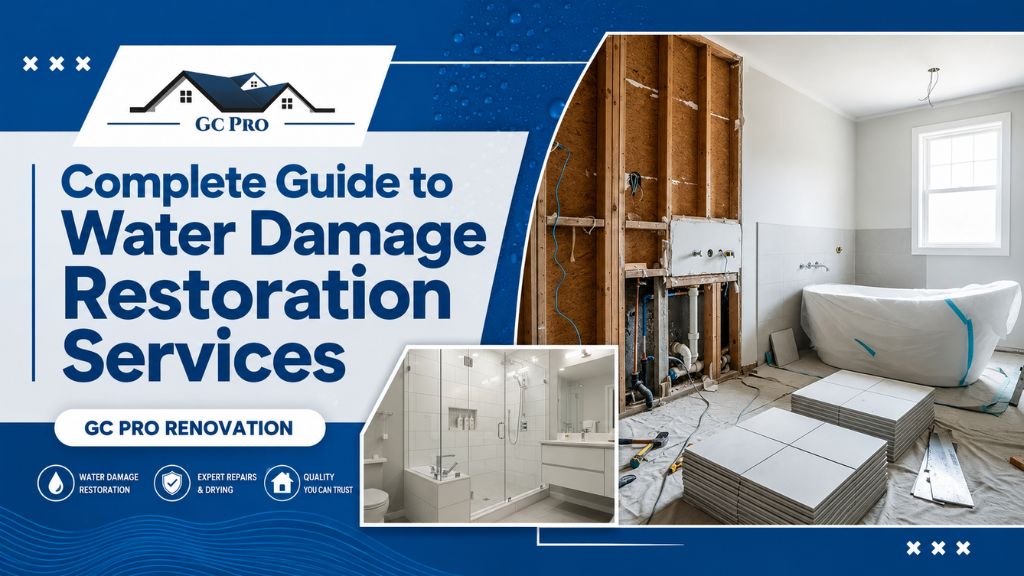
Quick Overview:- Water damage can affect homes and businesses without warning. Whether caused by flooding, leaking pipes, roof damage, or appliance failures, excess water can quickly lead to mold growth, structural issues, and expensive repairs. Understanding the proper water damage restoration process helps property owners act quickly and reduce long-term damage. This guide explains everything you need to know about water damage repair, professional restoration services, cleanup methods, and prevention strategies.
What Is Water Damage Restoration?
Water damage and restoration refers to the process of removing excess water, drying affected areas, sanitizing surfaces, and restoring damaged materials. Professional restoration specialists use advanced equipment and proven techniques to return properties to safe and livable conditions.
The full water restoration process typically includes:
- Inspection and assessment
- Water extraction
- Drying and dehumidification
- Cleaning and sanitizing
- Repairs and reconstruction
Fast action is critical because standing water can weaken structures and create serious health risks.
Common Causes of Water Damage
There are many situations that require immediate water cleanup and restoration services.
- Burst Pipes:- Frozen or aging pipes can crack and release large amounts of water into walls, ceilings, and floors.
- Roof Leaks:- Heavy storms and damaged roofing materials often allow water to enter homes unnoticed.
- Appliance Failures:- Washing machines, dishwashers, refrigerators, and water heaters can leak over time and cause hidden moisture damage.
- Flooding:- Natural disasters and heavy rainfall frequently lead to severe flood damage restoration needs.
- Sewage Backups:- Contaminated water from sewer systems requires specialized water remediation and sanitization.
Why Immediate Water Damage Cleanup Matters
Delaying water damage cleanup can create major structural and health problems. Moisture trapped inside building materials encourages mold growth within 24 to 48 hours.
Quick water damage mitigation helps prevent:
- Mold infestation
- Electrical hazards
- Wood rot
- Ceiling collapse
- Flooring damage
- Unpleasant odors
- Expensive repairs
Professional water restoration services are designed to stop further damage and restore safety quickly.
Understanding the Water Damage Restoration Process
Knowing the complete water damage restoration process can help homeowners make informed decisions during emergencies.
Inspection and Damage Assessment
Restoration experts first inspect the property to identify:
- Source of water intrusion
- Type of water contamination
- Extent of moisture spread
- Structural damage
- Safety concerns
This evaluation helps create an effective restoration plan.
Water Removal and Extraction
The next step involves removing standing water using industrial pumps and extraction machines. Fast extraction reduces additional water restoration damage and speeds up drying.
Areas commonly affected include:
- Carpets
- Hardwood flooring
- Basements
- Drywall
- Furniture
Efficient water cleanup is essential to minimize property loss.
Drying and Dehumidification
Even after visible water is removed, hidden moisture can remain inside walls and flooring. Professional-grade air movers and dehumidifiers help eliminate trapped moisture.
These important water damage remediation steps reduce the risk of mold growth and structural deterioration.
Cleaning and Sanitizing
Contaminated water can contain harmful bacteria and pollutants. Restoration teams sanitize affected surfaces to create a safe environment.
Cleaning services may include:
- Odor removal
- Surface disinfection
- Carpet cleaning
- Air purification
- Mold prevention treatments
This stage is especially important after sewage backups or flood events.
Repairs and Restoration
The final step focuses on fixing water damage and restoring the property to its original condition.
Repairs may include:
- Drywall replacement
- Floor repairs
- Ceiling restoration
- Painting
- Cabinet replacement
- Structural reconstruction
Professional repair work ensures long-term safety and durability.
Signs You Need Water Restoration Services
Some water problems are obvious, while others develop slowly over time. You may need a professional water damage restoration service if you notice:
- Water stains on walls or ceilings
- Musty odors
- Bubbling paint
- Warped flooring
- Mold growth
- Increased indoor humidity
- Damp carpets or furniture
Early intervention can reduce repair costs and prevent further complications.
How to Fix Water Damage Quickly
Many homeowners ask how to fix water damage before professionals arrive. While major damage requires expert restoration, there are several immediate steps you can take safely.
Emergency Steps to Take
Stop the Water Source:- Shut off the main water supply if a pipe or appliance is leaking.
Turn Off Electricity:- Avoid electrical hazards by disconnecting power in affected areas if safe to do so.
Remove Excess Water:- Use towels, mops, or wet vacuums to begin temporary water cleanup.
Improve Air Circulation:- Open windows and use fans to increase airflow and reduce moisture.
Move Valuable Items:- Protect furniture, electronics, and important belongings from additional damage.
These temporary actions can help reduce overall repair costs before a water damage restoration company arrives.
Choosing the Right Water Damage Restoration Company
Searching for reliable water restoration near me can feel overwhelming during emergencies. Choosing an experienced restoration provider is essential for quality results.
Look for companies that offer:
- 24/7 emergency response
- Certified restoration technicians
- Advanced drying equipment
- Insurance claim assistance
- Positive customer reviews
- Experience with residential and commercial restoration
A trusted water damage restoration company can manage the entire recovery process from inspection to reconstruction.
Preventing Future Water Damage
Preventive maintenance can reduce the likelihood of future water emergencies.
Helpful Prevention Tips
- Inspect plumbing regularly
- Clean gutters and drains
- Check appliances for leaks
- Repair roof damage promptly
- Install sump pumps in basements
- Monitor indoor humidity levels
Routine inspections can help homeowners avoid costly water damage repair expenses later.
Conclusion
Water damage can quickly become a serious problem if not handled properly. Understanding the complete water restoration process allows homeowners to respond quickly and reduce long-term property damage. From emergency water damage cleanup to complete reconstruction, professional water restoration services help restore homes safely and efficiently. Whether dealing with flooding, burst pipes, or hidden leaks, acting fast is the best way to protect your property and prevent further damage.
People also ask
The first step is a detailed inspection and assessment to identify the source of water, extent of damage, and required restoration methods.
The timeline depends on the severity of damage. Minor cases may take a few days, while severe flood damage restoration can take several weeks.
Yes. Mold can begin growing within 24 to 48 hours if moisture is not removed properly through professional water remediation.
Professional services are highly recommended for large leaks, flooding, sewage backups, and hidden moisture issues because experts use specialized drying and sanitizing equipment.
Look for licensed and experienced restoration companies that offer emergency services, certified technicians, and positive customer reviews.
Latest Posts
Categories
Archive
Contact Us
[contact-form-7 id="a8b630b" title="Contact form 1"]